Bouldering · Getting stronger
How to go from V3 to V4: breaking through the bouldering plateau
You’ve been climbing for a little over a year, you flash V3s and you send most of the V3s in the gym — yet V4 might as well be written in a different language. If that sounds like you, you’ve hit a familiar plateau in indoor bouldering. Here’s how to get through it.
By Antonin Borgnon ·
Written by FlashV10’s creator. Practical climbing advice, not a coaching program or a guarantee of progress. Grades vary between gyms.
The short answer
To go from V3 to V4, stop trying to muscle through every problem and start climbing deliberately: learn to project — taking 10 to 20 attempts on a climb can be normal, spread over sessions if needed; step back to V2s to practice balance, footwork and controlled movement; drive with your legs instead of doing pull-ups with your arms; stop comparing your progress to strangers online; and review your failed attempts to see whether your positioning or grip habits need work. This is often where pulling harder stops being the whole answer.
Why is V4 so much harder than V3?
There is no universal grading cliff at V4. But in your gym, this step may introduce movement you haven’t learned yet: subtle foot placements, awkward body positions or a sequence you can’t simply pull through. Those skills take time to internalize.
There is a weird culture online pushing the microwave narrative that you should be sending hard grades within your first few months. In reality, climbing V3 after a year is nothing to be embarrassed about, especially if you climb once a week. You’re not doing something wrong. You may simply need to practice more deliberately, rather than repeat what already feels comfortable.
The strength trap: why you aren’t necessarily too weak
Even with an impressive weightlifting background — bench pressing over 200 pounds or deadlifting heavy — you can get completely shut down by a V4. Gym strength and climbing skill aren’t interchangeable.
- Check the position before blaming strength. A better foot or hip position can make a move much easier. Strength still matters, including below V5, and steep climbs are not the only ones that load your fingers.
- Watch for overgripping. When you feel insecure, it’s easy to squeeze harder and pull with bent arms. Look for ways to put more weight through your feet and grip only as firmly as the move requires. Use a grip that suits the hold; you can’t turn a small crimp into a whole-hand hold.
- Legs over arms, when the move allows it. Push through your feet rather than defaulting to another pull-up. A higher step may help, but only if you can actually load it and stay balanced.
Film one attempt and look at the moment before you reach. Did your hips move over the supporting foot, or did you pull with your arms first? That’s the kind of detail that is easy to miss on the wall. A simple video journal like FlashV10 keeps the attempt with a note such as “shift onto the left foot before reaching” — something useful to test next time, not a score to chase.
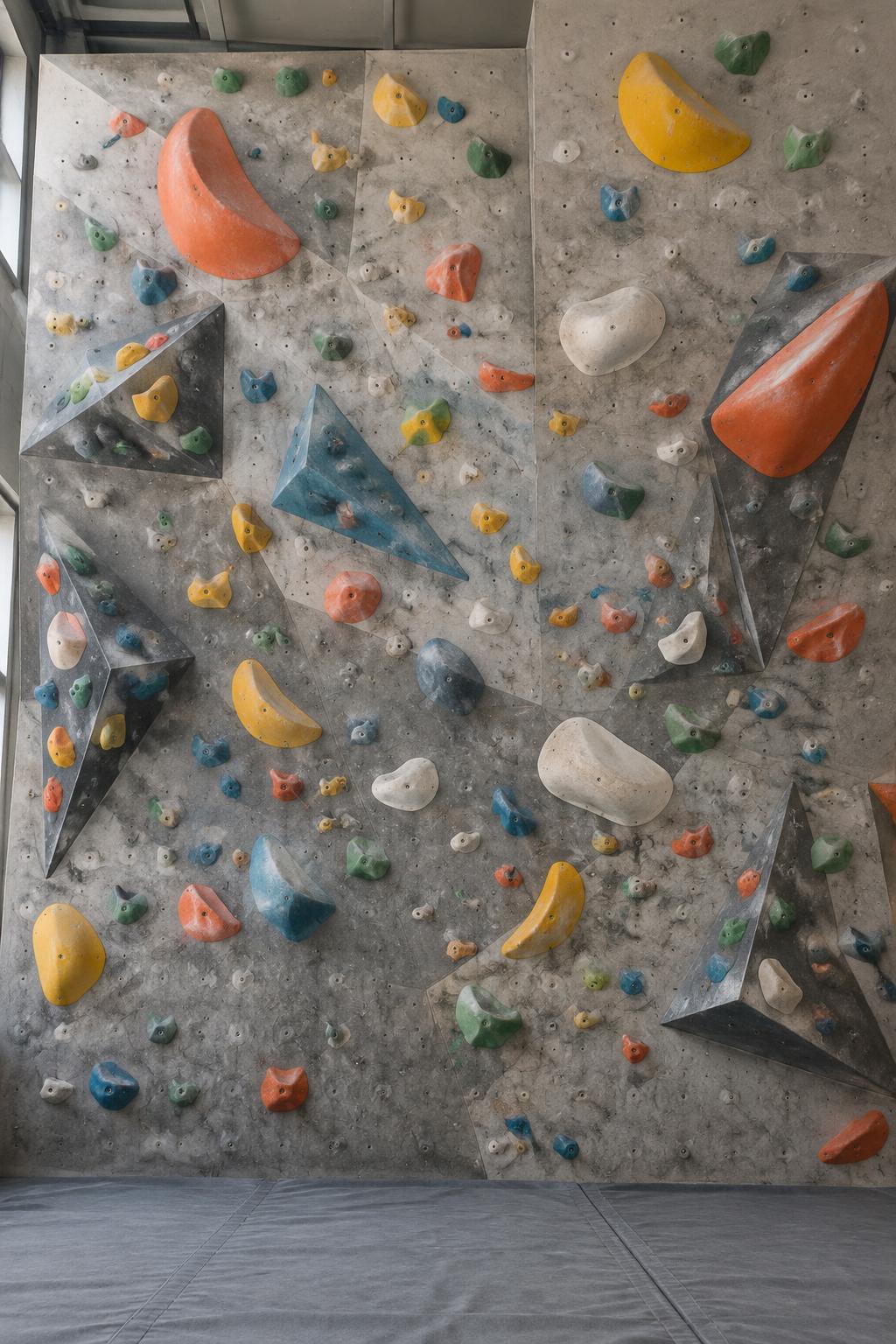
How to project a boulder: the skill you’re missing
If you flash V3s but fall off the start of a V4, projecting may be the missing skill. It doesn’t mean throwing yourself at the start until your skin rips. It means breaking a problem into individual moves, working sections and figuring out the beta.
Ten to twenty genuine attempts can be perfectly normal — not a quota to finish in one session. Rest between hard tries and come back another day when you’re tired or your skin is done. Ask someone to show the move, try a different foot or practice a later section when it’s safe to do so.
Make each attempt answer a question. “Can I reach if I turn my hip?” is better than “Maybe this time.” Your body gets a chance to learn unfamiliar movement when you work a problem rather than leave after three or four tries.
Keep the failed try too. In FlashV10, save it as a Project with its grade and an optional typed or spoken note. Watch the awkward move in slow motion, choose one change and get back on the wall. You don’t need to film a movie or log every second. Here’s how to film safely at the bouldering gym.
Step back to V2s to build technique
Drop your ego. Spend a session on easier climbs — including the weird slabs and technical problems you usually avoid. V2 is a useful starting point if it leaves you enough spare attention to focus on movement.
Practice slow, controlled movement where the climb allows it. Place your foot deliberately, shift your weight and then reach. Listen to your feet: repeated scraping or readjusting is a cue to look closer, not a verdict on your ability.
Not every move should be static. Some need momentum. The point is to choose the movement rather than swing accidentally. Mastering basics on easier terrain often unlocks the hidden logic of harder climbs.
Stop comparing yourself to others
“Comparison is the thief of joy.”
Some people arrive with a background in other sports that helps them move through grades quickly. Others take years. Neither tells you what your next session should look like.
Style matters too. You might cruise up a balance-heavy slab while struggling on a powerful roof or an awkward mantle. Play across grades and styles to find your strengths and the movements you keep avoiding.
A better comparison is with your own earlier attempt. Is that foot placement more deliberate? Can you now do the move that stopped you last week? Keep a useful clip and a short note. Progress doesn’t always arrive as a new grade.
Common questions
How long does it take to go from V3 to V4?
There is no fixed timeline. It can take months of deliberate practice, and longer is normal too. Your climbing frequency, recovery, problem style and gym grading all affect the step. Focus on learning moves rather than meeting a deadline.
Should I increase my gym frequency?
If you climb once a week, a second session can give you more chances to practice movement. Two or three sessions may suit some climbers, but build up gradually and leave enough recovery between hard sessions. Once a week can still produce progress; more is not automatically better.
Why do my fingers hurt on V4 crimps?
Small holds, grip position, sudden increases in load and fatigue can all contribute; you cannot diagnose the cause from the grade alone. Overgripping may add strain, but changing your grip is not a guaranteed fix. Stop painful attempts rather than pushing through. Persistent pain, swelling or a sudden pop needs assessment by a qualified healthcare professional.
The takeaway
Going from V3 to V4 isn’t about getting stronger overnight. Refine your movement, step back to work on your footwork, commit to a project and make sure you’re actually having fun. Film an attempt when you can’t tell what happened, pick one change and try again. That’s enough.