Bouldering · Getting stronger
How to go from V1/V2 to V3: breaking through the beginner bouldering plateau
You’re getting comfortable on V1s and V2s, you’re hitting the gym regularly, and you’re staring at those V3 tags wondering why you keep getting shut down. Maybe it’s the first move. Maybe it’s one move from the top. If that sounds familiar, you’ve hit a familiar beginner wall. Here’s how to start working through it.
By Antonin Borgnon ·
Written by FlashV10’s creator. Practical advice from climbing experience, not a coaching program. Grades vary hugely between gyms.
The short answer
To go from V1 or V2 to V3, start climbing with intention: practice sections of a harder problem even if you can’t do the start yet; film an attempt to look at your feet, hips and timing; down-climb when you can do so safely; and revisit easier climbs with a movement goal instead of treating them like a checklist. Keep a note of the small wins. Strength matters, but pulling harder isn’t the only way forward—learning how to move often makes the difference.
Why does V3 feel like a brick wall after V2?
When you first start bouldering, progress can feel fast. You walk in, pull on plastic, and discover that a climb you couldn’t do last week now goes. Then a new grade introduces a movement you haven’t learned, and the easy wins slow down.
There isn’t a universal cliff between V2 and V3. In your gym, though, it might mean an awkward start, smaller footholds or a final mantle that needs more balance than brute force. Being stopped by that move doesn’t mean you’ve reached your limit.
And if the gym only has a handful of beginner problems, repeating the same V2s can get boring. The answer isn’t necessarily a harder workout. Give yourself a new question to solve on the wall.
There’s no cheating in practice—be honest about the send
If you can’t establish on a V3 because the starting position feels impossible, don’t just walk away and assume you’re too weak.
You may hear climbers say, “There’s no cheating in climbing, only lying.” The useful idea is simple: practice doesn’t have to follow send rules. Use an extra hold to reach a later section if you can get there safely, then work out that move. You haven’t sent the whole problem, but you’ve learned something.
Stay out of other climbers’ fall zones, follow the gym’s rules and don’t scramble high into a position you can’t leave safely. Ask staff or an experienced climber if you’re unsure. You can also rehearse a lower section or watch someone demonstrate the sequence.
Figure out the finish, learn where your feet need to go, and return to the start with a better plan. Rest between tries. A Project note like “finish works with the right foot higher; start still missing” is more useful than pretending the extra hold didn’t happen.
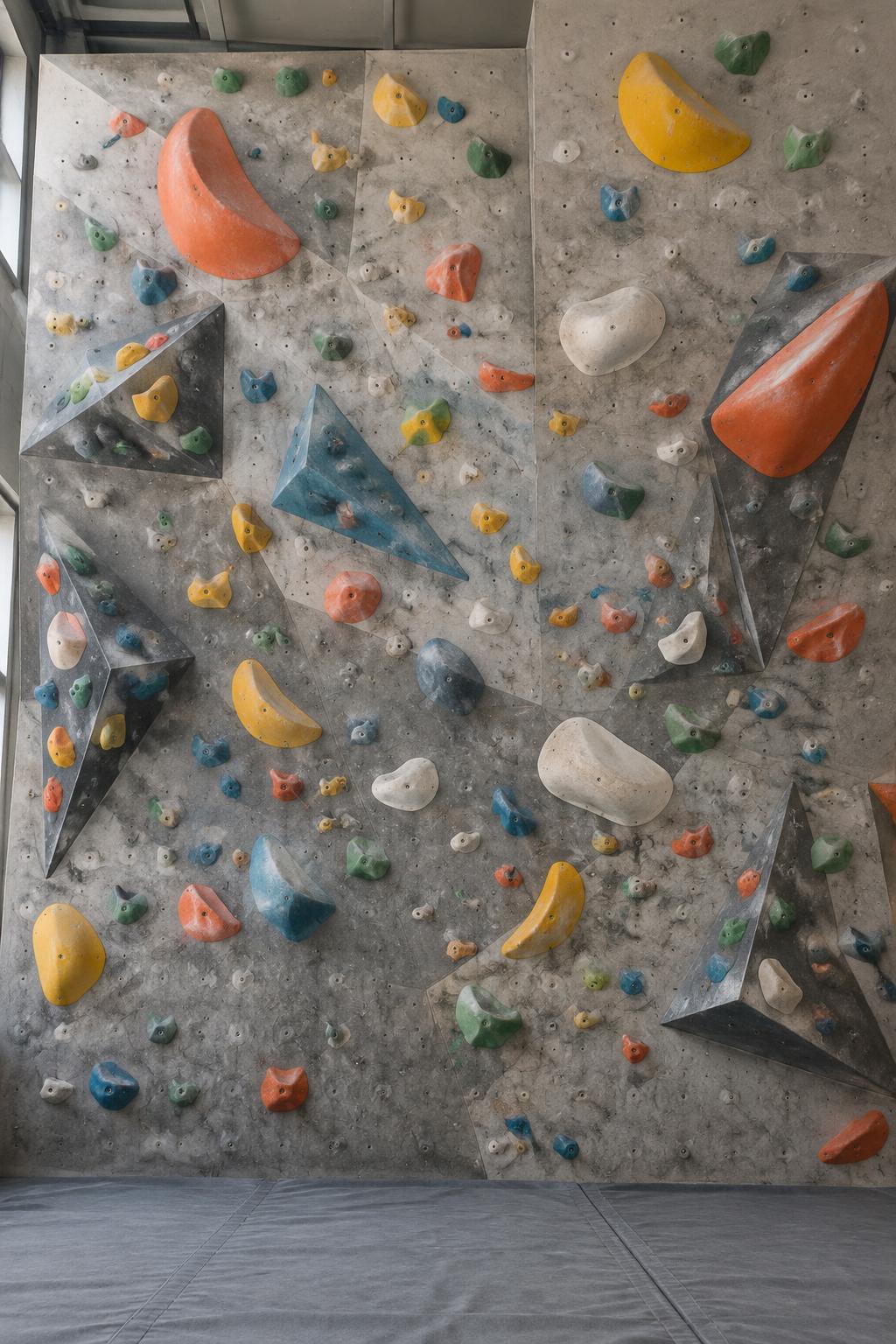
Film your sessions, even the awkward falls
When you’re bridging the gap from V1 or V2, what you think you’re doing on the wall can be surprisingly different from what actually happened. A short video gives you another view.
Look at the moment before you fall. Did you watch your foot land? Did your hips move over the supporting foot before you reached? Were you pulling with bent arms when you could have pushed through your legs? Video can give you a useful clue—not a diagnosis of everything that went wrong.
Filming isn’t reserved for climbing rock stars. Climbers of all levels use it to learn. If it feels a little awkward at first, that’s understandable; you don’t need to climb hard or post anything to make a clip worth keeping.
Keep a clip from your first sessions, too. Later, when a move that once felt impossible looks easy, you’ll be glad you have it. Across the weeks and months, changes can be hard to notice from inside your own climbing; an early video can remind you how far you’ve come. There’s no deadline and no need to turn every session into a film shoot.
Use one safe angle and a stable phone support, clear of landing areas and walkways. Avoid filming other people without permission and follow the gym’s policy. Here’s how to film at the bouldering gym without making a movie.
FlashV10 keeps those attempts with a V0–V10 grade, Flash, Sent or Project status and an optional typed or spoken note. “Left foot slipped before the reach” is enough to give your next try a purpose. New videos stay on your device without automatic uploads; keep a manual backup if you want those early memories somewhere else, too.
Down-climbing for beginner control
Everybody talks about climbing up. Coming down is worth practicing, too.
When you finish or decide to stop, down-climb to reduce the height of your landing if you can do it comfortably and safely. Use the gym’s designated down-climb holds or any suitable holds allowed by its rules. You don’t need to stick to your problem’s holds on the way down.
On an easy, low section, reversing the moves can help you practice deliberate foot placement, weight shifts and control. Look for your foothold rather than trusting it blindly. Don’t force a difficult reverse move when you’re exhausted.
You still need to know how to fall. Ask gym staff to demonstrate safe landing technique; down-climbing doesn’t eliminate injury risk. Stop painful movements rather than trying to train through them.
Bored of gym setting? Make V1 and V2 useful again
If you’ve sent the easier problems twice, stop treating them like a finished checklist. Pick a climb that leaves you enough spare attention to focus on one thing:
- Climb with control. Move slowly where the problem allows it. Place your foot, shift your weight and then reach. Some moves need momentum; static isn’t always better.
- Experiment with your feet. Try a different foothold and notice whether you can actually push through it. Higher feet aren’t automatically better—balance and comfort matter.
- Try a different sequence. On a comfortable, low section, leave out one handhold if it stays manageable. Keep your feet on and avoid turning it into a feet-off campus exercise or an uncontrolled jump.
- Quiet feet. Watch the shoe land and aim to place it once. Scraping or readjusting is a cue to look more closely, not a reason to beat yourself up.
Try a slab, a steeper problem or an awkward corner you usually avoid—at a grade you can manage. You’re collecting movement experience, not just ticking tags.
Common questions
How long does it take to go from V1 or V2 to V3?
There is no reliable deadline. Some climbers get there in a few months; others take much longer. Session frequency, recovery, problem style and gym grading all matter. Notice the moves you can now do, not just the number on the tag.
Should I start hangboarding to get past V2?
You do not need a hangboard to work toward V3. Time on manageable climbs gives you movement practice as well as exposure to climbing holds. Hangboarding is not automatically unsafe for every beginner, but unfamiliar finger loading needs careful progression. Ask a qualified climbing coach before adding it, and stop if a grip or exercise hurts.
Why do my forearms feel totally pumped out?
Bent-arm pulling and squeezing harder than necessary can contribute, but so can sustained climbing, unfamiliar holds and limited rest. On easier moves, try pushing through your feet and relaxing your grip where it is safe. Straight arms can save effort in some positions; they are not a rule for every move. Rest between attempts.
Is it worth filming when I only climb V1 or V2?
Yes. You do not need to climb hard to learn from a video. One short attempt can help you notice foot placement or timing, and an early clip gives you something meaningful to look back on as your climbing changes.
Can FlashV10 help me track beginner bouldering progress?
FlashV10 keeps an attempt with its V0–V10 grade, Flash, Sent or Project status and optional typed or spoken note. You review the movement yourself; it does not diagnose falls or create a training plan. New videos stay on your device without automatic uploads. Export a manual backup if you want a separate copy.
The takeaway
Breaking out of the V1–V2 plateau isn’t just about hitting the weight room or buying more expensive shoes. Practice sections, look at one filmed attempt, down-climb safely and make easier routes useful again. Pick one change, rest and try it. Keep the small wins—and a few early clips worth looking back on.